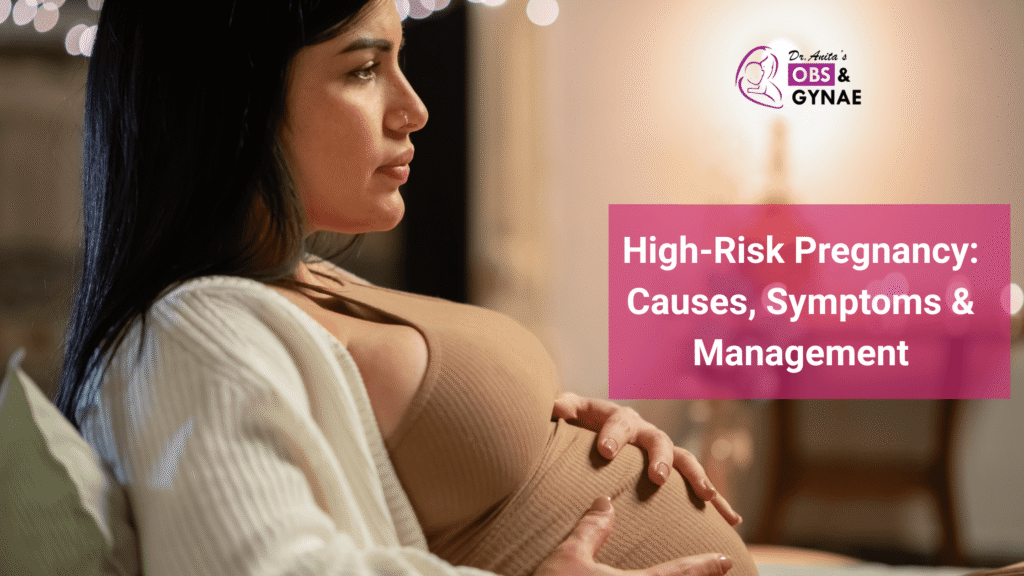
Pregnancy is a life-changing journey, but some women require extra medical attention to ensure the health of both mother and baby. This is known as a high-risk pregnancy, where certain maternal, fetal, or pregnancy-related factors increase the likelihood of complications during pregnancy, labour, or delivery. According to the World Health Organization (WHO), nearly 15% of pregnancies worldwide develop complications that require specialized obstetric care. In India, an estimated 20–30% of pregnancies are classified as high risk.
The good news is that advances in prenatal care, early diagnosis, and regular monitoring have significantly improved outcomes. Understanding the causes, symptoms, and treatment options can help expectant mothers seek timely medical care and improve the chances of a healthy pregnancy and safe delivery.
What Is a High-Risk Pregnancy?
A high-risk pregnancy is one in which the mother, baby, or both have a greater chance of developing health complications before, during, or after childbirth. It does not necessarily mean complications will occur; rather, it indicates that the pregnancy requires closer monitoring and specialized care.
Several factors can contribute to a high-risk pregnancy, including pre-existing medical conditions, pregnancy-related complications, maternal age, multiple pregnancies, and certain lifestyle habits. With proper medical supervision, many women with high-risk pregnancies go on to have healthy pregnancies and successful deliveries.
Key Facts About High-Risk Pregnancy
- Requires more frequent antenatal check-ups.
- May involve additional blood tests, ultrasounds, and fetal monitoring.
- Early diagnosis improves pregnancy outcomes.
- Personalized treatment plans help reduce complications.
- Regular monitoring supports healthy fetal growth and development.
Understanding the condition early allows doctors to provide appropriate care and minimize potential risks.
What Are the Different Types of High-Risk Pregnancy?
High-risk pregnancies are generally classified based on maternal health, pregnancy-related complications, or fetal conditions.
Maternal High-Risk Pregnancy
Women with certain medical conditions before pregnancy require closer monitoring.
Common examples include:
- Pregnancy after 35 years or during the teenage years
- Diabetes
- High blood pressure
- Thyroid disorders
- Heart or kidney disease
- Autoimmune disorders
Pregnancy-Related High-Risk Pregnancy
Some complications develop during pregnancy and require specialized management.
These include:
- Gestational diabetes
- Preeclampsia
- Placenta previa
- Placental abruption
- Polyhydramnios or oligohydramnios
- Multiple pregnancy (twins or triplets)
Fetal High-Risk Pregnancy
In some cases, the baby’s health becomes the primary concern.
Examples include:
- Intrauterine Growth Restriction (IUGR)
- Congenital abnormalities
- Rh incompatibility
- Fetal distress
Identifying the type of high-risk pregnancy helps obstetricians plan the most appropriate treatment and monitoring strategy.
What Are the Symptoms of a High-Risk Pregnancy?
Some women may not notice symptoms initially, but certain warning signs require immediate medical attention.
Common Symptoms:
- Severe or persistent headache
- Blurred vision
- Heavy vaginal bleeding
- Persistent abdominal pain
- Leakage of amniotic fluid
- Sudden swelling of the hands, feet, or face
- Reduced fetal movements
- High fever
- Severe nausea or vomiting
- Difficulty breathing
- Regular contractions before 37 weeks
While these symptoms do not always indicate a serious problem, they should never be ignored. Prompt medical evaluation can help prevent complications and protect both mother and baby.
What Causes a High-Risk Pregnancy?
A high-risk pregnancy can result from maternal, medical, pregnancy-related, or lifestyle factors. Although some risks cannot be prevented, many can be managed through healthy habits and regular prenatal care.
Maternal Factors
- Pregnancy before 17 years or after 35 years
- Obesity or being underweight
- Previous miscarriage or stillbirth
- Previous premature birth
- Previous cesarean section
Medical Conditions
- Diabetes
- Chronic hypertension
- Thyroid disorders
- Heart disease
- Kidney disease
- Epilepsy
- Autoimmune diseases
- Blood clotting disorders
Pregnancy-Related Conditions
- Gestational diabetes
- Preeclampsia
- Placental abnormalities
- Multiple pregnancy
- Cervical insufficiency
- Intrauterine Growth Restriction (IUGR)
Lifestyle Factors
- Smoking
- Alcohol consumption
- Recreational drug use
- Poor nutrition
- Lack of prenatal care
- Excessive stress
Managing these risk factors with the guidance of an experienced obstetrician can significantly improve pregnancy outcomes.
How Is a High-Risk Pregnancy Diagnosed and Treated?
Early diagnosis is essential for identifying potential complications and ensuring timely treatment. Regular prenatal visits allow doctors to monitor both maternal and fetal health throughout pregnancy.
Diagnosis
Your obstetrician may recommend:
- Detailed medical and pregnancy history
- Physical examination
- Blood pressure monitoring
- Blood and urine tests
- Blood sugar screening
- Routine and growth ultrasound scans
- Doppler ultrasound studies
- Non-Stress Test (NST)
- Biophysical Profile (BPP)
- Fetal heart rate monitoring
- Genetic screening when required
These investigations help assess the baby’s development and detect complications before they become serious.
Treatment
Treatment depends on the mother’s health, the baby’s condition, and the stage of pregnancy.
Common treatment options include:
- Personalized prenatal care
- Regular antenatal check-ups
- Nutritional counselling
- Healthy lifestyle modifications
- Medications for diabetes, hypertension, or thyroid disorders
- Bed rest when medically indicated
- Regular fetal monitoring
- Hospitalization in complex cases
- Planned vaginal delivery or cesarean section based on medical indications
The goal of treatment is to manage complications while supporting the pregnancy for as long as it is safe. Every pregnancy is unique, so treatment plans should always be individualized to meet the specific needs of both mother and baby.
How Can You Manage a High-Risk Pregnancy for a Healthy Outcome?
Managing a high-risk pregnancy involves more than treating medical conditions—it requires regular prenatal care, healthy lifestyle choices, and close collaboration with your obstetrician. Although some risk factors cannot be prevented, following medical advice and attending scheduled check-ups can significantly reduce complications and improve the chances of a healthy pregnancy and safe delivery. A proactive approach helps protect both maternal and fetal health throughout pregnancy.
Tips for Managing a High-Risk Pregnancy
- Attend all prenatal appointments: Regular antenatal visits help monitor your health and your baby’s development while enabling early detection of any complications.
- Maintain a balanced diet: Include foods rich in protein, iron, calcium, folic acid, and other essential nutrients to support a healthy pregnancy.
- Take medications as prescribed: If you have conditions such as diabetes, hypertension, or thyroid disorders, follow your doctor’s treatment plan carefully.
- Monitor fetal movements: Keeping track of your baby’s movements can help identify changes that require prompt medical attention.
Stay active if advised: Gentle exercises such as walking or prenatal yoga may improve circulation and overall well-being, but only under your doctor’s guidance. - Get enough rest: Adequate sleep and avoiding excessive physical strain are important for both mother and baby.
- Avoid harmful substances: Stay away from smoking, alcohol, and recreational drugs, as they can increase pregnancy-related risks.
- Know the warning signs: Seek immediate medical care if you experience severe headache, blurred vision, vaginal bleeding, abdominal pain, leakage of fluid, or reduced fetal movements.
With proper medical care and healthy habits, many women with high-risk pregnancies successfully deliver healthy babies.
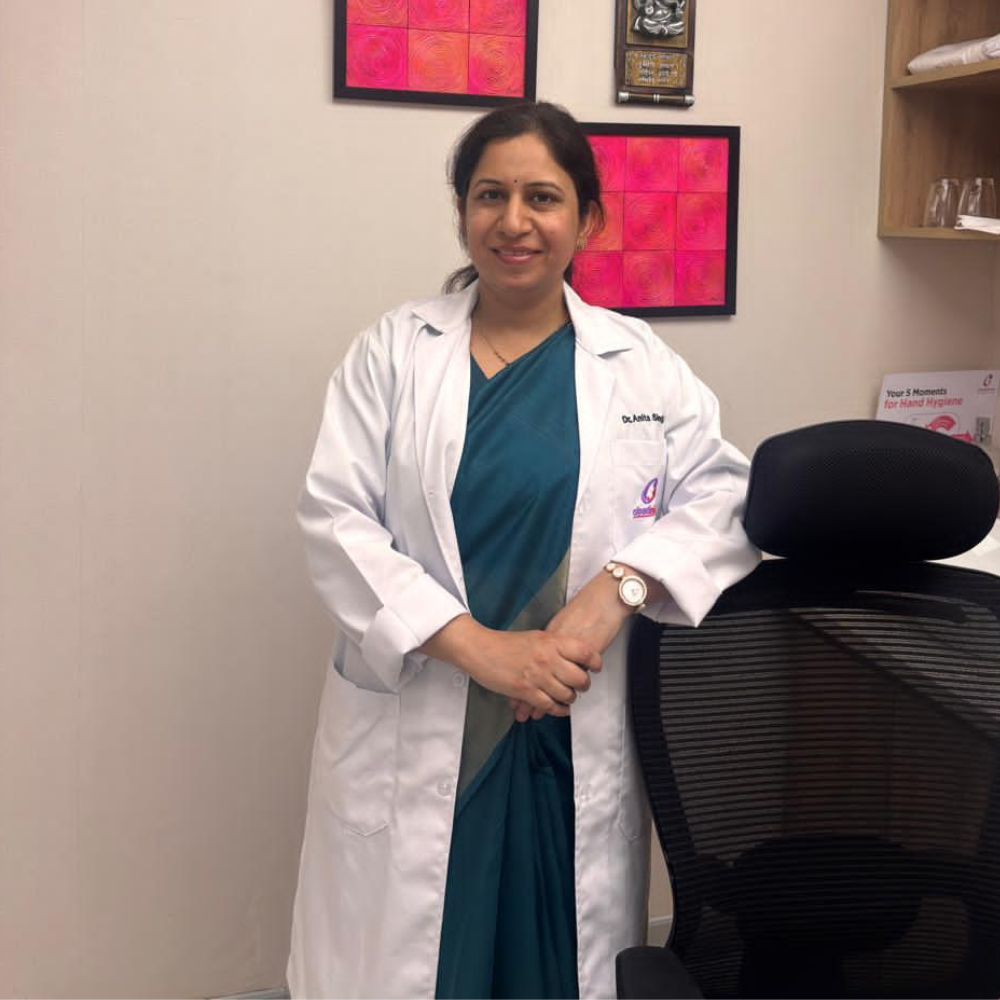
Why Choose Dr. Anita Singla for High-Risk Pregnancy Care in Indirapuram, Ghaziabad?
A high-risk pregnancy requires expert medical care, timely intervention, and continuous monitoring. Dr. Anita Singla provides comprehensive high-risk pregnancy care in Indirapuram, Ghaziabad, offering personalized treatment plans designed to meet each patient’s unique needs. Her patient-focused approach combines advanced prenatal monitoring with evidence-based treatment to help achieve the best possible outcomes for both mother and baby.
Why Patients Trust Dr. Anita Singla
- Expertise in managing gestational diabetes, hypertension, thyroid disorders, multiple pregnancies, and other pregnancy complications.
- Personalized care plans based on individual medical history and pregnancy needs.
- Advanced fetal monitoring with regular ultrasounds and growth assessments.
- Evidence-based treatment following current obstetric guidelines.
- Compassionate care with clear communication and patient education.
- Comprehensive support from prenatal care through labour, delivery, and postpartum recovery.
Conclusion
A high-risk pregnancy requires extra attention, but with early diagnosis, regular prenatal check-ups, and expert medical care, many women experience healthy pregnancies and safe deliveries. Recognizing warning signs, following your obstetrician’s advice, and maintaining a healthy lifestyle are essential for reducing complications.
If you are looking for trusted high-risk pregnancy care in Indirapuram, Ghaziabad, Dr. Anita Singla offers compassionate, personalized care to support you throughout your pregnancy journey. Book your consultation today to receive expert guidance and take the next step toward a safe and healthy pregnancy.
Need personalised care?
Book a consultation with Dr. Anita Singla in Indirapuram, Ghaziabad.