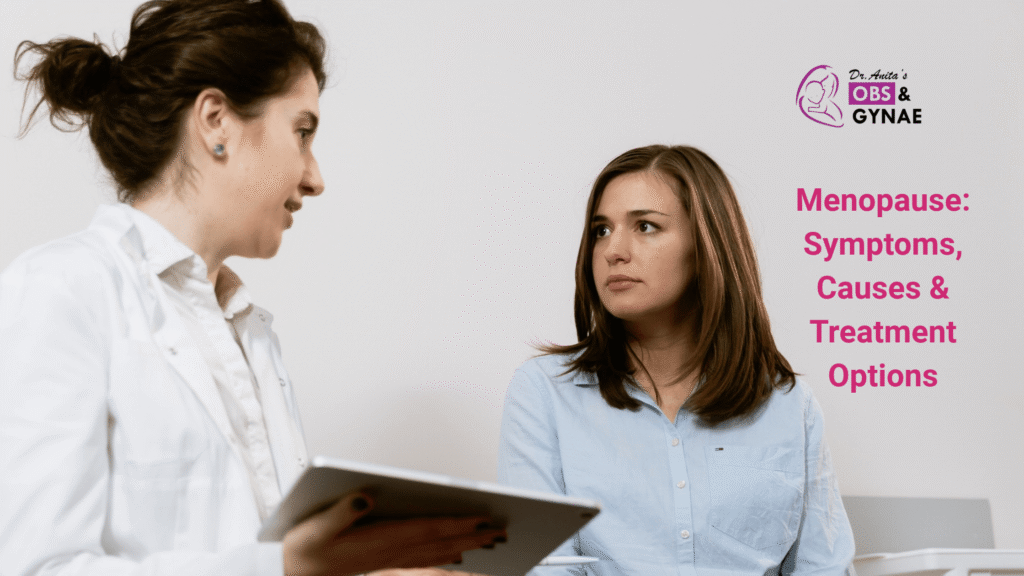
Menopause is a natural stage in a woman’s life that marks the end of her menstrual cycles and reproductive years. Although it is a normal biological process, the hormonal changes associated with menopause can lead to a variety of physical and emotional symptoms that affect daily life. According to the World Health Organization (WHO), millions of women worldwide experience menopause each year, with the average age ranging between 45 and 55 years. In India, most women reach menopause between 46 and 48 years of age. While every woman’s experience is unique, understanding the symptoms, causes, and available treatment options can help make this transition smoother. In this blog, we’ll discuss everything you need to know about menopause and how expert care can help you manage its symptoms effectively.
What Is Menopause?
Menopause is the permanent cessation of menstrual periods for 12 consecutive months, occurring when the ovaries stop producing eggs and significantly reduce the production of estrogen and progesterone. It is a natural part of ageing and usually occurs between the ages of 45 and 55.
Key Facts About Menopause
- It marks the end of a woman’s reproductive years.
- Hormonal changes are responsible for most menopause symptoms.
- Menopause occurs in three stages: Perimenopause, Menopause, and Postmenopause.
- Every woman experiences menopause differently.
- Early diagnosis and appropriate treatment can improve quality of life.
Understanding menopause helps women recognize that many symptoms are manageable with the right medical guidance and lifestyle changes.
What Are the Common Symptoms of Menopause?
Menopause symptoms vary from woman to woman. Some may experience only mild discomfort, while others may notice symptoms that affect their daily routine and emotional well-being.
Common Symptoms Include:
- Irregular menstrual periods
- Hot flashes and night sweats
- Vaginal dryness
- Mood swings and irritability
- Sleep disturbances or insomnia
- Fatigue
- Reduced sexual desire
- Difficulty concentrating or “brain fog”
- Weight gain
- Joint and muscle pain
- Frequent urinary infections or urinary leakage
These symptoms can last for several months or even years. If they interfere with your daily activities or quality of life, it is important to consult a gynecologist for proper evaluation and treatment.
What Causes Menopause?
Menopause occurs primarily due to a decline in hormone production by the ovaries. However, several factors can influence when menopause begins and how symptoms develop.
Common Causes of Menopause:
- Natural ageing: The most common cause, usually occurring between 45 and 55 years.
- Declining estrogen levels: Reduced hormone production leads to common menopause symptoms.
- Surgical menopause: Removal of both ovaries causes immediate menopause.
- Cancer treatments: Chemotherapy or pelvic radiation may trigger menopause.
- Premature ovarian insufficiency (POI): Some women experience menopause before the age of 40 due to genetic, autoimmune, or unknown causes.
Although menopause cannot be prevented, understanding its causes helps women prepare for the changes and seek appropriate medical care when needed.
How Is Menopause Diagnosed and Treated?
Menopause is usually diagnosed based on a woman’s age, symptoms, and menstrual history. However, in some cases, additional tests may be recommended, especially if menopause occurs earlier than expected or symptoms are unusual.
Diagnosis
Your gynecologist may recommend:
- Detailed medical history
- Physical and pelvic examination
- Hormone blood tests (when required)
- Thyroid function tests
- Bone density screening for women at risk of osteoporosis
Treatment Options for Menopause
Treatment depends on the severity of symptoms and the woman’s overall health.
Common treatment options include:
- Hormone Replacement Therapy (HRT) for suitable candidates
- Non-hormonal medications for hot flashes and mood changes
- Vaginal estrogen therapy for vaginal dryness
- Calcium and Vitamin D supplements to support bone health
- Lifestyle modifications, including a healthy diet, regular exercise, stress management, and adequate sleep
With appropriate treatment, most women can effectively manage menopause symptoms and continue to lead healthy, active lives.
How Can You Manage Menopause Symptoms Naturally?
While medical treatment can help relieve moderate to severe symptoms, healthy lifestyle habits also play an important role in managing menopause. Making small but consistent changes can improve both physical and emotional well-being during this transition.
Tips to Manage Menopause
- Eat a balanced diet rich in calcium, vitamin D, protein, fruits, and vegetables.
- Exercise regularly to maintain a healthy weight, strengthen bones, and improve heart health.
- Practice stress management techniques such as yoga, meditation, or deep breathing.
- Get 7–8 hours of quality sleep each night.
- Avoid smoking and limit alcohol and caffeine, as they may worsen hot flashes.
- Stay hydrated throughout the day.
- Schedule regular gynecological check-ups to monitor your overall health.
Although menopause is a natural phase of life, seeking timely medical advice can make the transition much more comfortable and help prevent long-term health complications such as osteoporosis and cardiovascular disease.
Why Choose Dr. Anita Singla for Menopause Management in Indirapuram, Ghaziabad?
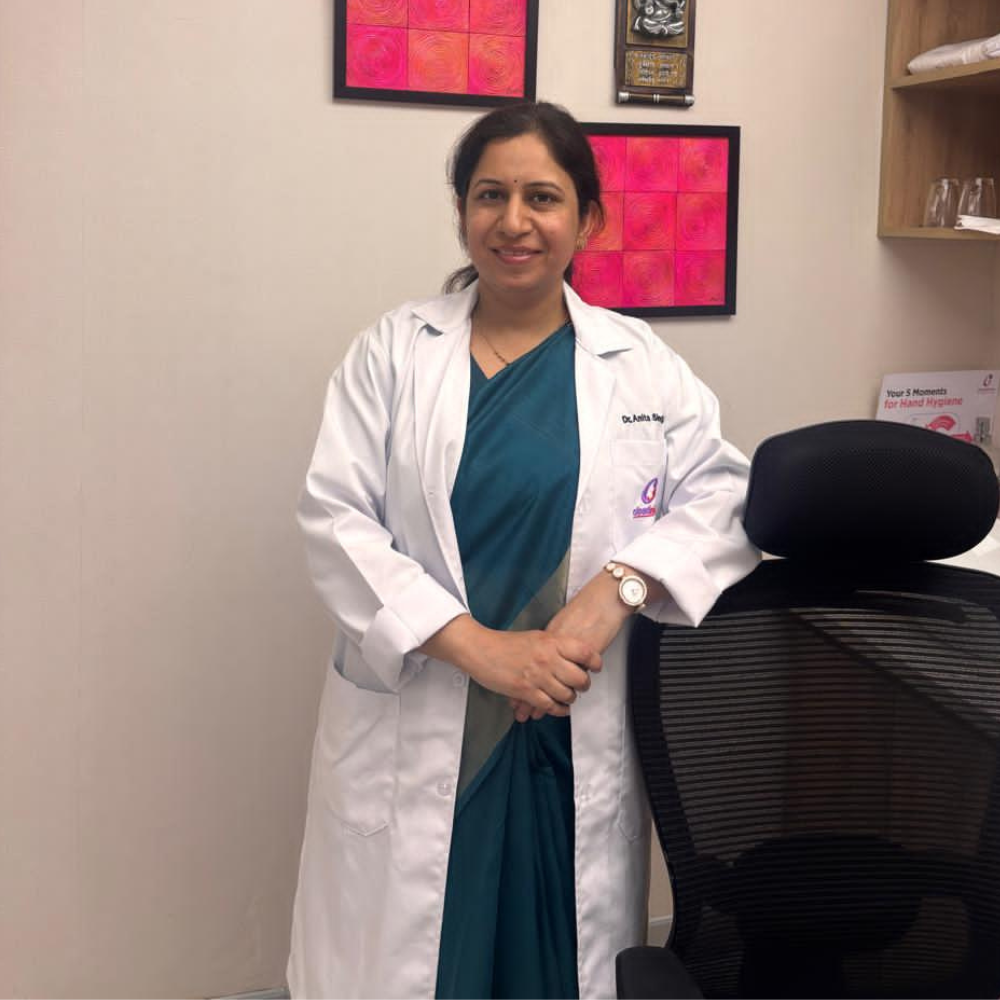
Menopause affects every woman differently, which is why personalized care is essential. Dr. Anita Singla provides comprehensive menopause management in Indirapuram, Ghaziabad, helping women understand their symptoms and choose the most appropriate treatment based on their individual health needs.
Why Women Trust Dr. Anita Singla
- Comprehensive evaluation to understand the severity of menopause symptoms and overall health.
- Personalized treatment plans tailored to each woman’s lifestyle, medical history, and treatment goals.
- Evidence-based care, including hormonal and non-hormonal treatment options when appropriate.
- Focus on long-term health, with guidance on bone health, heart health, nutrition, and healthy ageing.
- Compassionate counselling to help women manage emotional and physical changes with confidence.
- Complete women’s healthcare, providing continuous support from reproductive years through menopause and beyond.
With her patient-centred approach and commitment to women’s health, Dr. Anita Singla has become a trusted choice for women seeking expert menopause management in Indirapuram, Ghaziabad. Her goal is to help every woman navigate menopause comfortably and maintain a healthy, active lifestyle.
Conclusion
Menopause is a natural stage of life, but its symptoms can affect your physical, emotional, and overall well-being. Understanding the causes, recognizing the symptoms, and seeking timely medical care can make this transition much easier. Whether your symptoms are mild or significantly affecting your daily life, effective treatment options and healthy lifestyle changes can help you manage menopause with confidence.
If you are experiencing menopause symptoms, consulting an experienced gynecologist near you, who can help you receive the right guidance and personalized treatment for your needs. Book Your Consultation Today
If you’re looking for Gynecologist in Indirapuram, Ghaziabad, consult Dr. Anita Singla. She offers personalized care, comprehensive evaluation, and evidence-based treatment to help women manage menopause comfortably and improve their quality of life. Book your appointment today and take the first step toward healthier ageing and better well-being.
Frequently Asked Questions (FAQs)
1. At what age does menopause usually begin?
Most women experience menopause between 45 and 55 years, although it can occur earlier or later depending on individual health and genetics.
2. What are the first signs of menopause?
The earliest signs often include irregular periods, hot flashes, night sweats, mood changes, and sleep disturbances.
3. Can menopause symptoms be treated without hormone therapy?
Yes. Many women benefit from lifestyle changes, non-hormonal medications, vaginal therapies, and nutritional support, depending on their symptoms.
4. How long do menopause symptoms last?
Symptoms vary from person to person. They may last for a few months to several years, with some women experiencing milder symptoms over time.
5. Does menopause increase the risk of osteoporosis?
Yes. Lower estrogen levels after menopause can reduce bone density, increasing the risk of osteoporosis and fractures. Regular exercise and adequate calcium and vitamin D intake are important.
6. When should I consult a gynecologist for menopause?
You should consult a gynecologist if menopause symptoms affect your daily life, you experience menopause before the age of 40, have heavy or unusual bleeding, or need guidance on managing long-term health after menopause.
Need personalised care?
Book a consultation with Dr. Anita Singla in Indirapuram, Ghaziabad.