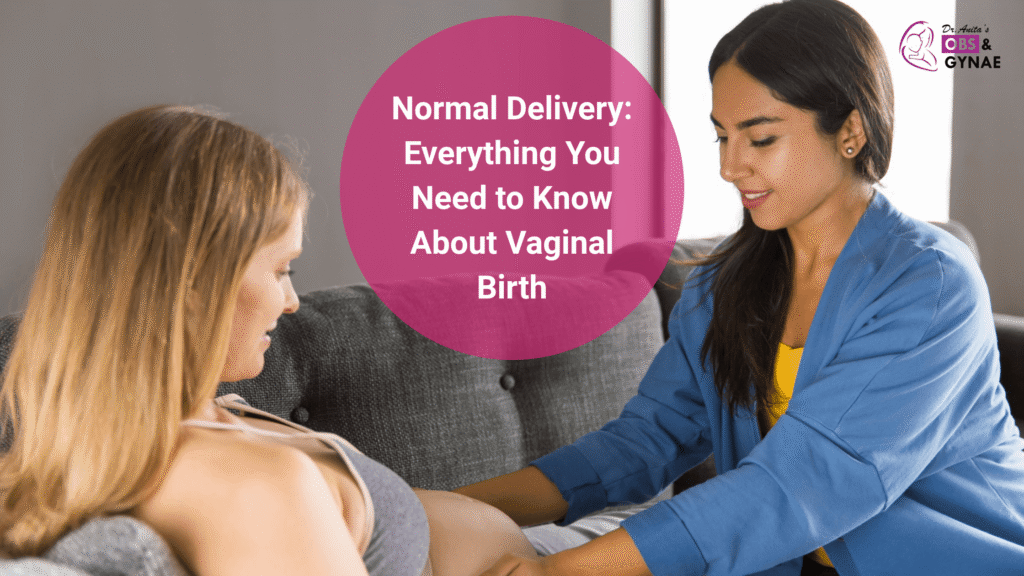
Normal delivery, also known as vaginal birth, is a natural process in which a baby is born through the birth canal. For many expecting mothers, the thought of childbirth brings a mixture of excitement, questions, and concerns about labour pain, safety, and recovery. Understanding what happens during delivery can help you feel more prepared and confident throughout your pregnancy.
In this blog, we will explain the stages of normal delivery, its benefits, ways to prepare for childbirth, and when to seek medical assistance. We will also discuss how the right pregnancy care and guidance from an experienced gynaecologist can support a safe delivery experience.
What Is Normal Delivery?
Normal delivery is the birth of a baby through the vagina without a caesarean section. It usually begins when the uterus starts contracting, helping the cervix open so the baby can move through the birth canal.
Whether vaginal birth is suitable depends on several factors, including the mother’s health, the baby’s position, the progress of labour, and any pregnancy-related complications. Your doctor will assess these factors and recommend the safest delivery method for you and your baby.
What Are the Stages of Normal Delivery?
Understanding the stages of labour can help expecting mothers know what to expect as childbirth approaches.
1. Early and Active Labour
Labour begins with contractions that gradually become stronger, longer, and more regular. During this stage, the cervix softens and opens to allow the baby to pass through the birth canal. You may experience lower back pain, abdominal tightening, or changes in vaginal discharge.
2. Birth of the Baby
Once the cervix is fully dilated, the mother begins pushing with contractions as guided by the maternity team. The baby gradually moves through the birth canal and is delivered vaginally. Pain relief and other support may be provided according to the mother’s needs and clinical circumstances.
3. Delivery of the Placenta
After the baby is born, the placenta is delivered. The medical team checks the mother’s bleeding and overall condition and assesses the baby’s initial health.
What Are the Benefits of Normal Delivery?
When vaginal birth is medically appropriate, it may offer several benefits compared with a caesarean section.
- Generally shorter recovery: Mothers can often resume everyday activities sooner, although recovery varies from person to person.
- Avoidance of major abdominal surgery: Vaginal birth does not require the surgical incision used in a C-section.
- Potentially shorter hospital stay: Many mothers can return home sooner if their recovery and the baby’s condition are satisfactory.
- Early bonding and feeding: Skin-to-skin contact and breastfeeding can often begin soon after birth when mother and baby are stable.
Every delivery is different, and vaginal birth can also involve complications. A C-section may be the safest option in certain situations, and there is no single delivery method that is best for every mother.
How Can You Prepare for Normal Delivery?
Good pregnancy care can help you prepare physically and emotionally for childbirth. Consider these practical steps during pregnancy:
- Attend regular antenatal check-ups: These visits help your doctor monitor your health, your baby’s growth, and possible risk factors.
- Maintain a balanced diet: Eat nutritious meals, stay hydrated, and follow your doctor’s dietary advice.
- Stay physically active: Walking and pregnancy-safe exercises may support general fitness when approved by your doctor.
- Learn breathing and relaxation techniques: Childbirth education and relaxation practices may help you manage stress and cope with contractions.
- Prepare a birth plan: Discuss pain relief options, labour preferences, and possible medical interventions with your obstetrician.
These measures can support a healthy pregnancy, but they cannot guarantee vaginal birth. Your delivery plan may need to change depending on medical circumstances.
When Should You Contact Your Doctor During Labour?
Contact your maternity team when contractions become regular or you suspect labour has started, following the instructions provided during your antenatal visits. Seek urgent medical assessment if your water breaks, you experience vaginal bleeding, your baby moves less than usual, or you develop severe abdominal pain, fever, or other concerning symptoms.
Timely medical attention helps your doctor assess the situation and decide what care is needed for you and your baby.
Normal Delivery Care in Indirapuram, Ghaziabad
Choosing the right gynaecologist is an important part of a healthy pregnancy. If you are looking for a gynae in Indirapuram, Dr. Anita Singla offers pregnancy-related consultations and guidance based on each woman’s individual needs. With over 20 years of experience in obstetrics and gynaecology, she helps expecting mothers understand the changes during pregnancy, prepare for labour, and make informed decisions about childbirth.
Women seeking normal delivery in Indirapuram, Ghaziabad, can consult Dr. Anita Singla to discuss their pregnancy progress, delivery preferences, and any potential risk factors. Regular antenatal check-ups help monitor the health of both mother and baby, while appropriate medical guidance ensures that the delivery plan prioritises their safety. The aim is to support a positive birth experience while recognising that a C-section may be necessary in certain medical situations.
Conclusion: Choose the Right Care for Your Delivery
Normal delivery can be a positive birth experience when it is suitable for the mother and baby. Understanding labour, maintaining regular antenatal visits, and discussing your concerns with your gynaecologist can help you approach childbirth with greater confidence.
Dr. Anita Singla brings over 20 years of experience in obstetrics and gynaecology, along with relevant specialist qualifications. For personalised pregnancy guidance and delivery planning in Indirapuram, Ghaziabad, consult Dr. Anita Singla to understand your options and receive care based on your individual needs.
Book your antenatal consultation with Dr. Anita Singla today to discuss your pregnancy, prepare for childbirth, and make informed decisions about the safest delivery approach for you and your baby.
Frequently Asked Questions (FAQs)
1. Is normal delivery possible for every pregnant woman?
No. Vaginal birth is not suitable for every pregnancy. The mother’s health, the baby’s position, placental conditions, and the progress of labour help determine the safest delivery method.
2. How can I increase my chances of normal delivery?
Attend regular antenatal check-ups, maintain a balanced diet, stay active with your doctor’s approval, and discuss childbirth preparation and pain relief options with your obstetrician. These steps support a healthy pregnancy but cannot guarantee vaginal birth.
3. Is normal delivery more painful than a C-section?
Labour pain varies between women. Vaginal birth involves contractions and stretching during delivery, while a C-section involves surgery and postoperative recovery. Both can involve pain, and appropriate pain management options are available.
4. How long does recovery take after normal delivery?
Initial recovery often takes a few weeks, while complete healing may take longer depending on whether there were tears, an episiotomy, or other complications. Follow your doctor’s advice and attend postpartum check-ups.
5. When should I consult a doctor for normal delivery planning in Indirapuram?
Ideally, begin antenatal care as soon as you know you are pregnant. Regular visits allow your doctor to monitor your health, assess your baby’s development, and discuss suitable delivery options as your pregnancy progresses.
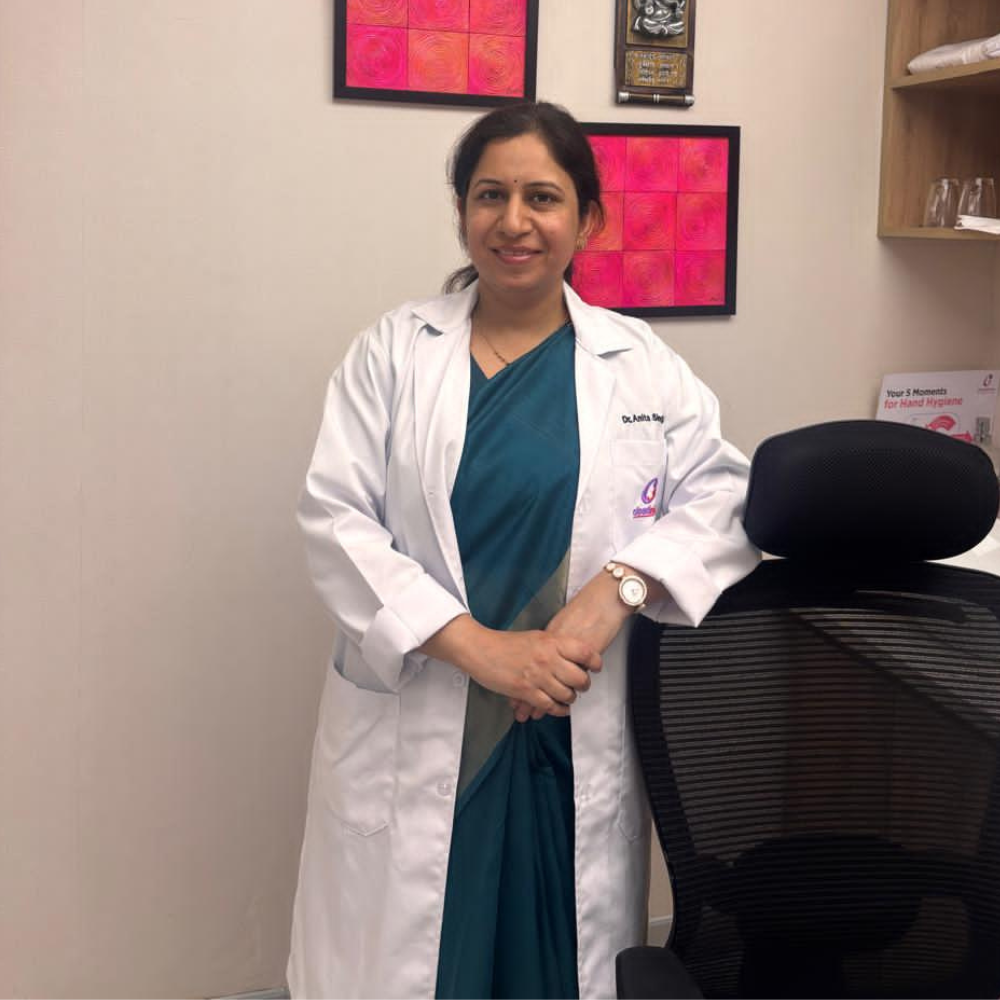
Need personalised care?
Book a consultation with Dr. Anita Singla in Indirapuram, Ghaziabad.